January DCVelocity magazine highlights how fashion brand cabi made both a facility change and process improvements with the help of Systems in Motion, and Alpine Supply Chain.
Cabi, a women’s fashion brand, reached a turning point in early 2024 as its West Coast distribution center lease neared expiration and operating costs continued to climb. Rather than making a like-for-like move, the women’s fashion brand used the moment to modernize its fulfillment strategy. Working with Alpine Supply Chain Solutions and Systems in Motion, cabi relocated its DC to Indianapolis and completed a market assessment, relocation plan, and facility launch in just 12 months. The move to a central U.S. location, combined with new automation, quickly improved delivery speed and reliability for customers across the U.S., Canada, and the U.K.
The relocation also helped cabi overcome operational growing pains tied to its stylist-driven, highly seasonal business model. Shipping from a single West Coast facility had made fast, cost-effective delivery increasingly difficult, especially as on-demand e-commerce orders became more common. After evaluating options such as multiple facilities and third-party logistics providers, cabi determined that a single Midwest DC offered the right balance of agility and control. To ensure the operation could scale smoothly during peak seasons, the team redesigned workflows and implemented a warehouse execution system (WES) powered by Systems in Motion’s KOZ automation software.
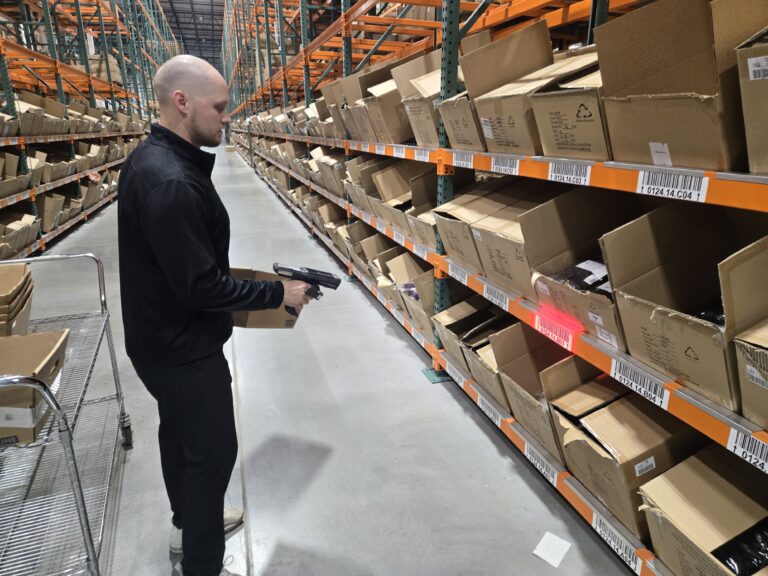
The KOZ-enabled WES plays a central role in orchestrating picking, sorting, and packing across the new facility. Batch picking by SKU feeds a put-to-light wall designed and built by Systems in Motion, where the WES directs inventory flow, synchronizes labor, and reduces manual decision-making on the floor. The result is faster onboarding, higher accuracy, and more consistent performance across peak and nonpeak periods. Since the move, cabi has achieved double-digit productivity gains, significantly reduced transit times, and sharply lowered its reliance on temporary labor—giving the company a more resilient fulfillment operation and a strong platform for future growth.
Read the full article here.