
Turnkey Material Handling Automation and Consulting

Aftermarket Services

Automation Strategies for Foodservice Fulfillment

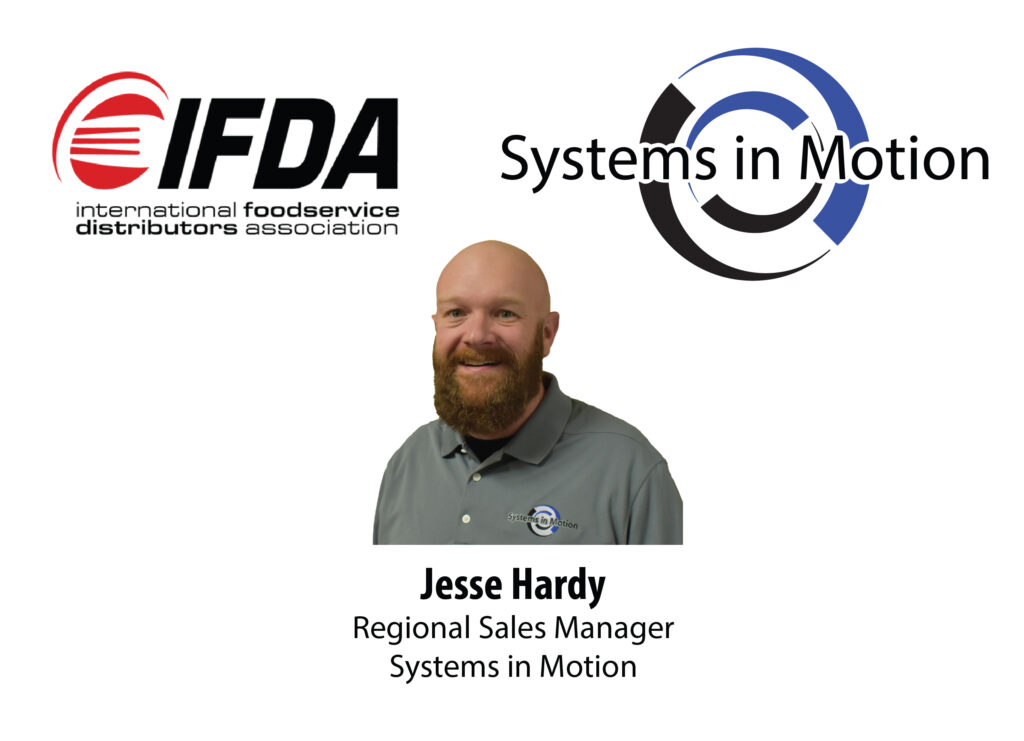
The Food Service industry is changing fast. Distribution operations face new challenges every day—higher customer demands, tighter delivery windows, labor shortages, and rising costs. As a result, many organizations are turning to automation to stay competitive and efficient. At this year’s IFDA Solutions Conference in Columbus, OH, industry leaders will share strategies and best practices. Among them, Jesse Hardy, Regional Sales Manager at Systems in Motion, will speak on the panel: September 29Greater Columbus Convention Center | Room A220–22210:30–11:30 AM Automation Strategy in Foodservice Fulfillment Automation isn’t one-size-fits-all. In fact, success depends on matching the right technology to the operation’s needs. During the panel, Jesse will discuss how Systems in Motion helps organizations: Streamline fulfillment to keep orders accurate and on time. Boost labor efficiency while managing workforce challenges. Increase reliability and uptime with smart system design. Scale for growth with flexible, evolving solutions. A Collaborative Approach Additionally, Jesse will be joined by Michael Roe, VP of Sales at DMW&H; Cortney H., COO of Trew; and Gary Master, President & CEO of AGiLE Business Media & Events. Together, they will share real-world automation examples and practical takeaways. Why IFDA Solutions Conference Matters The IFDA Solutions Conference is built by and for foodservice operations professionals. Here, challenges meet solutions, connections spark innovation, and the future of the industry takes shape. For Systems in Motion, it’s a chance to show how automation strategies deliver real value. If you’re attending, catch Jesse Hardy on stage. Furthermore, connect with the Systems in Motion team to learn how we can help design automation strategies that work.

Automation Strategies for Foodservice Fulfillment Read More »

SiM Sick Conveyor

Is Your Conveyor Sick? 6 Warning Signs You Shouldn’t Ignore

 Your conveyor system is the backbone of your operation. When it runs smoothly, productivity stays high, orders ship on time, and downtime is kept to a minimum. However, just like people, conveyors show “symptoms” when they aren’t healthy—and ignoring them can lead to costly breakdowns, product damage, or even complete system failure. The good news? By recognizing these early warning signs, you can address small issues before they grow into major problems. That’s where conveyor maintenance and preventative maintenance come in. In this article, we’ll walk through the most common conveyor “symptoms” and explain why catching them early matters. 1. Air Leaks Pneumatic systems are critical to many conveyors. For example, if you hear hissing or notice a loss of pressure, it may be a sign of air leaks. These leaks not only waste energy but also lower efficiency and reduce throughput across the entire conveyor line. 2. Oil Leaks Oil leaks are often caused by worn seals, failing gearboxes, or poor lubrication practices. As a result, they can lead to overheating, contamination, and serious equipment damage. A quick inspection can prevent small leaks from turning into major conveyor repair issues. 3. Broken or Damaged Belts A cracked, frayed, or mis-tracking belt is one of the most visible conveyor problems. In addition to causing jams, damaged belts may also result in product loss or safety hazards. Regular belt inspections are a critical part of preventative maintenance and help avoid unplanned downtime. 4. Bad Rollers Rollers are constantly in motion—and when they wear out or seize, they create friction that strains belts and motors. Over time, this extra friction can slow down your system and cause further equipment damage. Therefore, keeping rollers in good condition is essential for maintaining conveyor system efficiency. 5. Missing or Damaged O-Rings O-rings may be small, but they keep rollers aligned and conveyors running smoothly. If they are missing or damaged, the result is often mis-tracking, uneven wear, and reduced performance. During a preventative maintenance check, O-rings are one of the simplest parts to replace but one of the most important to monitor. 6. Noisy Motor or Reducer Unusual noises—such as grinding, squealing, or rattling—are early warning signs of motor or reducer trouble. In many cases, these sounds indicate lubrication issues, bearing wear, or gear failure. Addressing them quickly helps extend equipment life and reduce costly emergency repairs. Why Early Detection Matters Catching problems early isn’t just about preventing breakdowns. Instead, proactive maintenance offers several long-term benefits: Reduce downtime and increase throughput Extend the life of your equipment Lower repair and replacement costs Improve overall safety and reliability Ultimately, preventative maintenance is an investment that pays off in conveyor system efficiency and operational success. Don’t Let a Sick Conveyor Slow You Down If your conveyor is showing any of these symptoms, it’s time for a check-up. At Systems in Motion, we specialize in diagnosing, repairing, and maintaining conveyor systems so your operation stays productive and reliable. Download  Is Your Conveyor Sick flyer.

Is Your Conveyor Sick? 6 Warning Signs You Shouldn’t Ignore Read More »

Scroll to Top